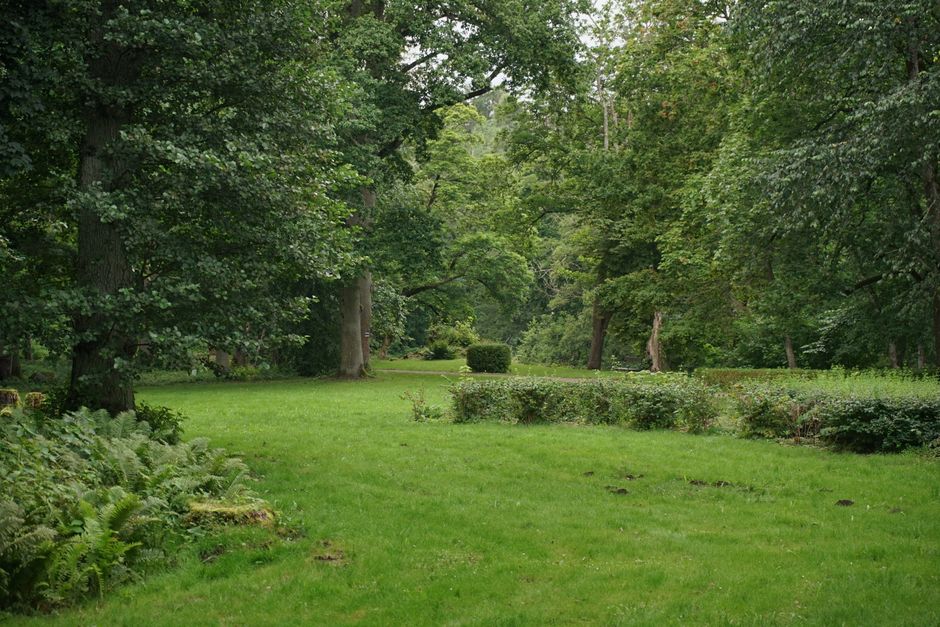
Mayow Park garden care tips from Sydenham gardeners
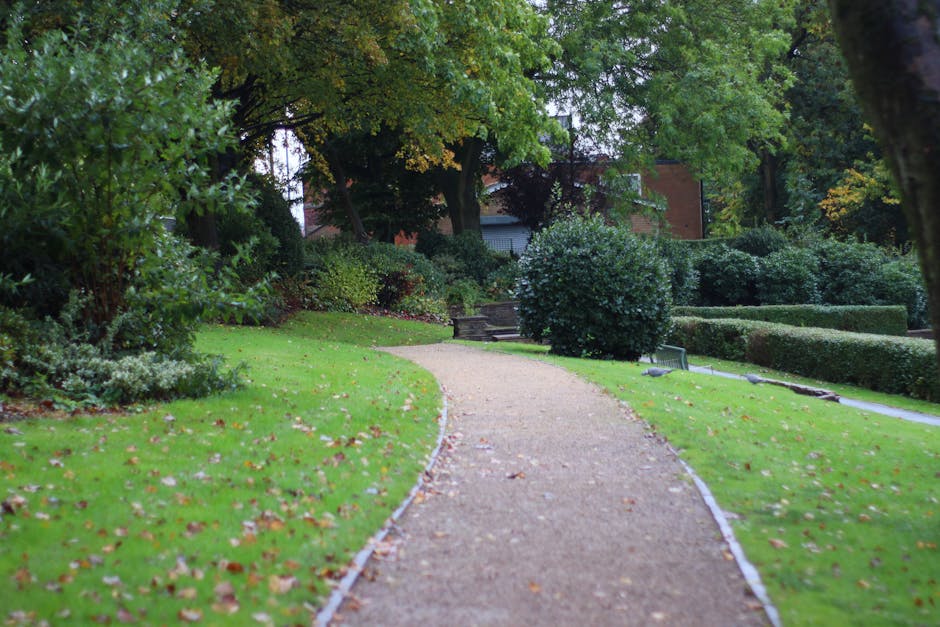
If you live near Mayow Park, you already know the rhythm of gardens around Sydenham: one week the borders are bursting, the next the rain has done its usual London thing and made everything a bit too enthusiastic. That is exactly why Mayow Park garden care tips from Sydenham gardeners are so useful. They are grounded in local conditions, not generic advice copied from somewhere sunnier and drier.
In this guide, you will find practical, realistic advice for keeping a garden healthy, tidy, and resilient near Mayow Park. We will look at seasonal maintenance, common mistakes, tools that genuinely help, and when it makes sense to bring in professional support. Nothing fancy for the sake of it. Just sensible garden care that works in the real world.
Whether you are looking after a small front garden, a family back garden, or a more established outdoor space, the same core principles apply: regular upkeep, the right timing, and a bit of local know-how. Truth be told, that last bit makes a bigger difference than people expect.
Why Mayow Park garden care tips from Sydenham gardeners Matters
Local garden care matters because gardens do not live in theory. They live in your actual soil, in your actual shade, under your actual tree canopy, and in the weather pattern your street gets on a Tuesday afternoon. Near Mayow Park, that means dealing with compacted soil in some plots, patchy sunlight in others, and a fair amount of moisture swings through the year.
Sydenham gardeners tend to notice the same thing again and again: a garden can look fine for a while, then suddenly slip if it is only cared for in bursts. A few weeks of missed mowing, hedge growth, or unchecked weeds can change the feel of a space quickly. And let's face it, once a garden starts to get away from you, the job feels twice as big.
The value of local guidance is that it matches the conditions you are actually facing. A plant that loves a sheltered, sunny courtyard in another part of London may struggle in a shaded Mayow Park side return. A lawn that looks great in April can turn soft and thin if it is overwatered or cut too short after a wet spell. Local awareness helps you avoid that trial-and-error stage.
Expert summary: The best garden care is usually not about doing more. It is about doing the right things at the right time, and staying consistent enough that small problems never become big ones.
That is the real point here. Good garden care is preventative. It keeps the space usable, pleasant, and easier to manage through the seasons.
How Mayow Park garden care tips from Sydenham gardeners Works
The approach is straightforward once you break it down. Good garden care near Mayow Park usually combines routine maintenance, seasonal adjustment, and a watchful eye on how your garden responds. Think of it like tuning a bicycle rather than rebuilding the whole thing every month.
First, you look at the basics: lawn condition, hedge growth, weed pressure, soil moisture, drainage, and plant health. Then you decide what needs regular attention and what only needs seasonal work. For example, lawns benefit from consistent mowing and occasional feeding, while shrubs may need pruning at specific times of year, not every time they look a bit unruly.
Sydenham gardeners also tend to work with the garden's natural patterns. If one corner stays damp, they do not keep treating it like a dry border. If a hedge blocks light to lower plants, they adjust the planting or trim the hedge. Small changes, but they add up fast.
You will also notice that local garden care often involves practical prioritisation. Not every task matters equally. A light weed pull today can save a whole bed later. Clearing fallen leaves from a lawn before they mat down can prevent soggy patches. That sort of thing. Very unglamorous, but very effective.
If you want a fuller picture of what regular upkeep can include, it can help to look at a broader garden maintenance approach alongside seasonal care. That gives you a more rounded plan, especially if your garden needs more than the odd tidy-up.
Key Benefits and Practical Advantages
There are plenty of reasons to keep on top of garden care near Mayow Park, and most of them are practical rather than decorative.
- Healthier plants: Regular care reduces stress, disease risk, and competition from weeds.
- Better curb appeal: A tidy front garden makes the whole property feel more cared for.
- Lower long-term effort: Small weekly jobs are easier than one huge rescue job later.
- Improved safety: Clear paths, trimmed growth, and level surfaces reduce trip hazards.
- More usable outdoor space: A well-kept garden is one you actually want to sit in.
- Seasonal resilience: Good preparation helps gardens cope better with heat, rain, wind, and shade.
There is also a quieter benefit that people do not always mention. A well-looked-after garden tends to feel calmer. You step outside, hear the birds, smell damp soil after rain, and the space just works better. That counts for something.
For property owners weighing up whether to keep everything in-house or bring in support, it often helps to compare regular upkeep with occasional larger jobs. Services like lawn mowing and hedge trimming can handle the repetitive work, while more involved projects may sit under landscape gardening if the layout itself needs improving.
Who This Is For and When It Makes Sense
This kind of local garden care makes sense for quite a wide range of people. If you have a small garden that needs regular attention, the advice still applies. If you have a larger outdoor space with mixed planting, it is even more relevant. And if you are somewhere in between, well, that is where most people are, really.
It is especially useful if you:
- live near Mayow Park and want a practical local routine
- struggle to keep on top of mowing, pruning, or weeding
- have inherited an overgrown garden and need a plan
- want to improve the look of a rental or sale property
- need seasonal support rather than full redesign work
- are trying to keep a family garden safe and manageable
It also makes sense when you are short on time. A lot of people do not need a dramatic transformation. They need the garden to stop sliding backwards. Fair enough, too. Life gets busy.
If your space has specific issues like blocked access, uneven ground, or heavy leaf fall, then local maintenance becomes less about aesthetics and more about keeping the garden functional. That is where a service-led approach, rather than random weekend tidying, often gives better results.
Step-by-Step Guidance
Here is a practical way to approach garden care near Mayow Park without overcomplicating it.
1. Start with a proper walk-through
Walk the garden slowly and look for the obvious trouble spots: weeds in paving joints, mossy paths, tired lawn patches, dead stems, hanging branches, poor drainage, and any plants that have simply outgrown their space. Do this in daylight if you can. Early morning is often best, when the garden shows its real condition before the day heats up.
2. Deal with the structural jobs first
Before you get into fine pruning or planting, clear the basics. Remove waste, cut back obstructive growth, and reset the space so you can see what you are working with. If there is a lot of material to remove, a proper garden clearance can be the cleanest way to begin. It is not glamorous, but it creates breathing room.
3. Mow and edge the lawn correctly
Lawns near Mayow Park often benefit from regular mowing, but not overcutting. Removing too much at once can stress the grass, especially in dry spells or after heavy rain. Keep blades sharp, mow when the grass is dry enough to cut cleanly, and edge the borders so the whole space looks intentional. A neat edge makes a surprisingly big difference. Honestly, it can make an average lawn look ten times better.
4. Prune with purpose, not panic
Pruning is about shaping and health, not just reducing size. Cut dead, diseased, or crossing stems first. Then consider the plant's habit and season. Some shrubs respond well to light shaping; others need careful timing so you do not remove next season's flower buds. If you are unsure, lighter cuts are usually safer than a heavy hack. The hedge can wait; the plant sometimes cannot.
5. Clear weeds before they seed
Weeds are easier when tackled early. Pull them when the soil is damp enough to release roots, not bone dry and cracked. Focus on paths, borders, and the base of shrubs where they often hide. A few minutes a week is much better than a big clear-out once the bed has turned into a jungle. We have all seen that happen.
6. Improve soil and moisture management
If plants keep looking unhappy, the problem may be in the soil. Add organic matter where possible, avoid compacting beds by walking on them, and check whether water is pooling after rain. In parts of Sydenham, compacted or unevenly draining soil is a common irritation. It is not always about feeding more. Sometimes it is about helping roots breathe.
7. Finish with a tidy, usable layout
Once the growth is under control, look at the overall layout. Can you move through the garden easily? Are tools stored neatly? Are there places to sit, plant, or let the children play safely? Good garden care should support daily use, not just look tidy in a photo.
Expert Tips for Better Results
A few small habits make a noticeable difference over time. These are the sorts of things experienced gardeners tend to do without making a song and dance about it.
- Cut little and often: Regular light maintenance is easier on plants than infrequent heavy work.
- Watch the weather: Pruning, mowing, and feeding all work better when timed around dry or mild conditions.
- Use the right tool for the job: A clean cut from the correct tool heals better and looks better.
- Do not ignore the edges: Borders, fence lines, and path edges often reveal whether a garden is truly maintained.
- Mulch where possible: A layer of organic mulch helps retain moisture and suppress weeds.
- Work with the garden's light: If one area is consistently shaded, choose plants that actually suit it instead of fighting the space.
Another useful habit is to keep an eye on the garden after strong rain. You learn a lot in ten minutes of post-rain observation. Where does water sit? Which plants droop? Which areas dry out first? That kind of observation shapes better decisions than any generic checklist ever could.
For a more polished outdoor space, you might also consider whether hard landscaping elements are helping or getting in the way. Services like decking services and landscaping can improve how the garden functions, not just how it looks. Sometimes the problem is not the planting at all. It is the layout.
Common Mistakes to Avoid
A lot of garden trouble comes from a few repeat mistakes. Nothing dramatic. Just small misjudgements that compound.
- Overcutting the lawn: Taking too much grass off at once weakens it and invites stress.
- Pruning at the wrong time: Some plants lose flowers or recover poorly if cut too hard too late.
- Letting weeds seed: One overlooked patch becomes a much bigger job later.
- Ignoring drainage: If water is sitting in the same place every time it rains, there is a reason.
- Using blunt tools: Ragged cuts are harder on plants and slower to heal.
- Trying to do everything in one go: Exhausting yourself is not a maintenance strategy.
There is also the classic mistake of treating every garden like it should behave the same way. Some spaces near Mayow Park are sheltered and reasonably fertile. Others are more exposed, shaded, or awkwardly laid out. If you do not adapt to the site, the garden will remind you. Usually loudly.
One more thing: do not confuse tidiness with health. A garden can look neat and still be struggling underneath. Leaves may be hiding poor soil, tight roots, or pest pressure. That is why good gardeners look beyond the surface.
Tools, Resources and Recommendations
You do not need an enormous kit to maintain a garden properly, but having the right basics saves time and frustration.
| Tool or resource | Best use | Why it helps |
|---|---|---|
| Sharp secateurs | Light pruning and deadheading | Cleaner cuts, less plant damage |
| Shears or hedge trimmer | Hedge shaping and tidy-up work | More even finish and faster progress |
| Lawn mower | Routine grass cutting | Keeps lawns healthy and manageable |
| Fork and spade | Soil work and edging | Helps with aeration, replanting, and border care |
| Wheelbarrow or bags | Waste removal | Speeds up clearance and keeps the site tidy |
| Mulch or compost | Soil improvement | Supports moisture retention and soil structure |
If your garden has become too much to handle in one session, or you are preparing for a move, event, or seasonal reset, professional support can be worth considering. A service such as services overview helps you understand the wider range of options, while pricing and quotes is useful when you want to compare the likely scope of work before committing.
For people who care about waste handling, look at sustainability too. A thoughtful approach to green waste, reuse, and disposal can make the whole process cleaner and less stressful. That is one of those behind-the-scenes details that tends to matter more than people expect.
Law, Compliance, Standards, or Best Practice
For most home garden care, the main concerns are good practice, safety, and neighbourly common sense rather than complex regulation. Still, there are a few standards worth keeping in mind.
If you are cutting back hedges, felling branches, or removing larger woody growth, be careful around boundaries, overhead lines, paths, and neighbouring property. If trees are involved, especially larger or older specimens, it is sensible to check whether specialist assessment is needed before taking action. A cautious approach is better than regretting a cut you cannot undo.
Health and safety matters too. Wet surfaces, sharp tools, and heavy waste can all cause accidents if you rush. Reputable gardeners should work with sensible risk controls, suitable equipment, and proper handling of garden waste. If you are hiring help, you may want to ask about safety measures and insurance. That is normal, not awkward. It is just good judgement.
If you want reassurance on how a business approaches safety and working practices, it helps to review policies such as health and safety policy and insurance and safety. Those details are not glamorous, but they matter when work involves ladders, tools, access issues, or heavy clearance.
There is also the simple issue of being considerate. Keep noise reasonable, dispose of waste properly, and avoid letting debris blow into neighbouring gardens. Good garden care in a built-up area is partly about respect. That sounds a bit soft, maybe, but it is true.
Options, Methods, or Comparison Table
Depending on your garden's condition, you may need one of three broad approaches: regular maintenance, seasonal tidy-up, or a deeper reset. Choosing the right one saves money and effort.
| Approach | Best for | Pros | Limits |
|---|---|---|---|
| Routine maintenance | Gardens that are already under control | Prevents problems, keeps things neat, low disruption | Not enough if the garden is heavily overgrown |
| Seasonal tidy-up | Gardens that need periodic attention | Cleans up growth, improves appearance, manageable cost | Does not always fix underlying layout or soil issues |
| Clearance and reset | Overgrown, neglected, or inherited gardens | Creates a fresh starting point, reveals real structure | More labour-intensive and may need follow-up care |
In many cases, the right answer is a mix. A garden might need clearance first, then routine mowing and pruning after that. Or it may only need a sensible maintenance plan with a few structural improvements. The point is not to overdo it on day one.
Case Study or Real-World Example
A typical local example: a narrow back garden near Mayow Park with a lawn, one large hedge, a few shrubs, and a path that had nearly vanished under weeds. Nothing dramatic, just the sort of space that quietly slips downhill over a season or two.
The first job was clearance. Dead stems, leaf build-up, and self-seeded weeds came out first so the garden could be seen properly again. Once that was done, the lawn was cut at a sensible height, the hedge was trimmed back carefully, and the border edges were redefined. That simple reset changed the whole feel of the space.
What made the biggest difference was not one huge gesture. It was sequence. Once the worst of the clutter was gone, everything else became easier: watering was more efficient, the path was safer, and the owners could use the garden again without feeling slightly defeated every time they looked out the window.
That sort of result is common. Gardens do not usually need magic. They need order, timing, and follow-through. A small, well-planned intervention can go a long way.
Practical Checklist
Use this checklist to keep your Mayow Park garden care on track through the year.
- Inspect the garden at least once a week during active growing periods.
- Check for weeds in beds, paths, and fence lines.
- Mow the lawn at the right height for the season.
- Trim hedges before they become difficult to manage.
- Remove dead or diseased plant material promptly.
- Clear leaves, moss, and debris from paths and lawns.
- Watch for poor drainage or water pooling after rain.
- Add mulch or compost where soil needs support.
- Keep tools clean, sharp, and stored safely.
- Book more extensive help if the job has outgrown your time or equipment.
Quick takeaway: if you can keep the garden lightly maintained rather than repeatedly rescuing it, you will spend less time, less money, and a lot less energy over the course of the year.
Conclusion
Mayow Park garden care tips from Sydenham gardeners are valuable because they are practical, local, and realistic. They take into account the actual conditions your garden faces, from shade and moisture to mowing cycles, hedge growth, and the occasional overambitious weed patch. No mystery. Just steady, sensible care.
If you stay on top of the basics, your garden becomes easier to manage and nicer to use. And if things have already slipped, that is fine too. Most gardens can be brought back into shape with a clear plan and a bit of patience. Start with the most important jobs, keep the routine simple, and build from there. Gardens are forgiving like that, more often than people think.
If you are ready to turn a tired outdoor space into something easier to live with, start by reviewing your maintenance needs and working out whether you need routine help, a one-off tidy, or a more substantial reset. Get a free quote today and see how much you can save.
There is a quiet satisfaction in looking out at a garden that finally feels under control again. It is a good feeling, honestly.
Frequently Asked Questions
What are the most useful Mayow Park garden care tips from Sydenham gardeners?
The most useful tips are the ones that focus on consistency: mow regularly, clear weeds early, prune at the right time, and keep an eye on drainage and soil condition. Local gardens often respond better to small, steady care than to occasional big clean-ups.
How often should I maintain a garden near Mayow Park?
In most cases, a quick weekly check is enough to stop problems from building up, with heavier work done seasonally. Lawns, hedges, and weeds usually need more regular attention during spring and summer.
Do I need professional help for a small garden?
Not always. If you can manage mowing, light pruning, and weeding yourself, you may only need occasional support. Professional help makes more sense when the garden becomes overgrown, difficult to access, or simply too time-consuming to keep up with.
What is the best time of year for garden clearance?
There is no single perfect time, but many people choose spring or early autumn because the weather is milder and the garden is easier to work on. That said, a badly overgrown garden should usually be cleared as soon as practical rather than left to get worse.
How do Sydenham gardeners deal with wet or shaded gardens?
They usually focus on improving soil structure, choosing shade-tolerant plants, and avoiding overwatering. In wetter areas, they also watch for compaction and drainage problems, because those often create more trouble than the rain itself.
Is hedge trimming part of regular garden care?
Yes, especially if hedges are starting to block light, spill onto paths, or lose shape. Regular trimming helps keep growth manageable and prevents the need for drastic cutting later on.
Can garden maintenance improve property value or appearance?
It can improve appearance very clearly, and that often affects first impressions. A neat, healthy garden makes a property feel better cared for. It is not a guaranteed value boost in every case, but it does help the overall presentation.
What should I do before booking garden maintenance?
Walk the garden, note the areas that bother you most, and decide whether you need routine upkeep, clearance, or a one-off tidy. A clear brief helps you get a more accurate quote and a better result.
Are there safety concerns with DIY garden work?
Yes. Sharp tools, ladders, slippery surfaces, and heavy waste can all pose risks. Take care, wear appropriate footwear, and do not push into jobs that feel unsafe or physically awkward.
How do I know if my garden needs clearance rather than maintenance?
If you cannot easily see the structure of the garden because of overgrowth, thick weeds, fallen branches, or accumulated waste, clearance is usually the better starting point. Maintenance is for keeping a garden in shape; clearance is for getting it back to a usable baseline.
What is the easiest improvement that makes a garden look better quickly?
Usually, it is a mix of mowing, edging, and removing weeds from visible areas. Those three jobs alone can transform a space faster than people expect. It is a small win, but a satisfying one.
Should I choose maintenance or landscaping if my garden feels tired?
If the garden is basically healthy but untidy, maintenance is usually enough. If the layout, surfaces, or planting structure no longer work for how you use the space, then landscaping may be the better option.
For more background on the team and the way local work is approached, you can also read about us and browse the blog for related local gardening guidance.