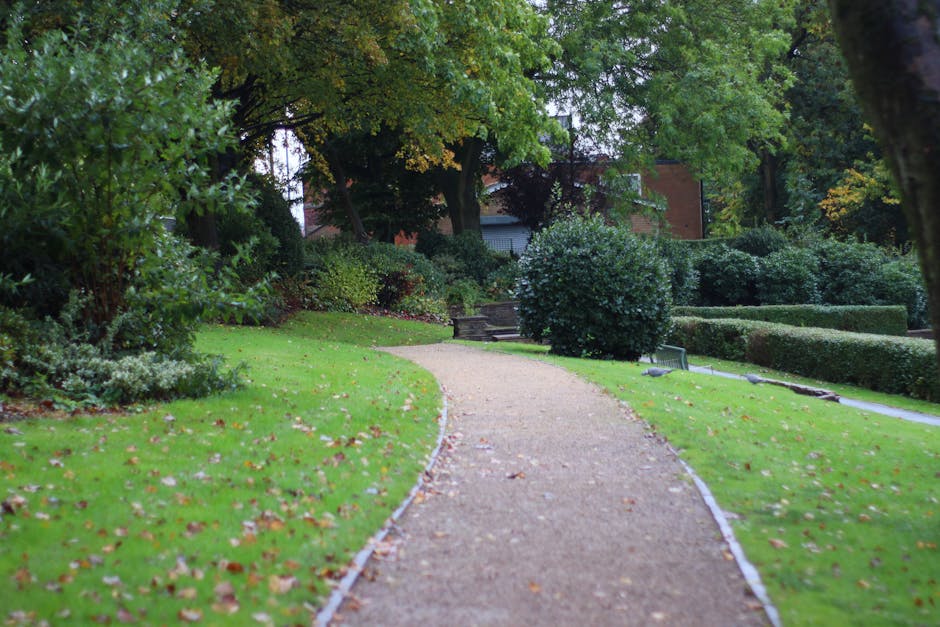
Gardening Services in Sydenham

Gardening Services Sydenham covers practical outdoor care for homes and shared spaces that need regular attention, seasonal tidy-ups, or a more complete reset. Our work can include lawn mowing, hedge trimming, garden clearance, landscaping support and tree-related tasks, with the emphasis placed on clear, tidy results and straightforward planning. If you need a maintained border, a sharper lawn finish, or help bringing an untidy garden back under control, we provide a service shaped around the condition of the space and the work it actually needs.
Many gardens need a mixture of routine and one-off attention rather than a single visit type. That is why we organise our work by task, so a customer can choose the right level of help without paying for unnecessary extras. Some properties need ongoing care, while others benefit from a larger tidy before regular maintenance begins. Tell us what needs doing, and we can discuss the most suitable approach for the garden’s size, access and current condition. Request a quotation when you are ready.
Our aim is to keep the process practical from the first enquiry through to completion. We look at the work in front of us, identify the main tasks, and then plan a service that fits the site rather than forcing a fixed package onto every garden. If you are comparing options for maintenance, clearance or landscaping support, the sections below explain the main service areas in a clear commercial way. For smaller jobs and larger overhauls alike, the same principle applies: the right tasks, carried out neatly, and finished with the garden left ready for use.
Regular garden maintenance
Regular garden maintenance is the simplest way to keep outdoor areas in presentable condition across the year. It usually includes mowing, edging, basic weeding, pruning of manageable growth, and general tidying of beds and borders. For properties that need predictable attention, this type of work helps keep the garden from drifting into a larger project. It can also make later clearance or landscaping more straightforward because the site remains accessible and easier to assess.
We organise maintenance so the main visible parts of the garden receive consistent care without overcomplicating the service. That means attention to grass height, plant control, and neatness around paths, fences and structures, while keeping the focus on what the garden actually contains. In many cases, the work is best approached in stages: first the obvious growth is controlled, then finer detail is handled where it makes a noticeable difference. Garden maintenance is therefore a useful starting point for customers who want their outdoor space kept in better order over time.
Typical maintenance tasks may include:
- Grass cutting and edging for a cleaner finish
- Light pruning and shaping of shrubs where suitable
- Removal of surface weeds from beds and borders
- General tidying of leaves, clippings and loose debris
- Small seasonal adjustments to keep growth under control
Lawn and hedge work

A good lawn and hedge routine can change the appearance of a garden quickly without requiring full redesign. Lawns benefit from regular cutting at an appropriate height, while hedges often need trimming to stop them from becoming uneven or intrusive. The aim is not to impose a harsh finish, but to create clear lines and healthy-looking growth that suits the site. We can combine these tasks in one visit where that is the most sensible option for the garden.
Hedges vary widely in shape, density and accessibility, so the work needs to reflect the type of plant and the way it has grown. Some hedges need only a trim to restore definition, while others require a more careful reduction to bring them back to a manageable size. Lawns also need the right treatment for the surface and condition involved, especially where edges are uneven, patches are thin, or the grass has become long enough to need a slower first cut. Hedge trimming and lawn mowing are both core parts of that practical approach.
Where these services are combined, it often makes sense to think about the garden as a connected space rather than separate tasks. A trimmed hedge can improve light and access; a clean lawn can make the rest of the garden look more ordered; and together they help with longer-term upkeep. That is especially useful when a property needs a better baseline before any additional planting or landscaping work is considered. We focus on the visible outcome while keeping the work controlled and proportionate to the site.
Garden clearance and site tidying
Garden clearance is the right choice when growth, cuttings, accumulated waste or general neglect has left the space difficult to use. This type of work can involve the removal of unwanted vegetation, clearing overgrown areas, dealing with loose debris, and restoring access to borders, paths or sheds. Rather than treating clearance as a rough sweep-up, we approach it as a structured job that makes the site easier to understand and easier to maintain afterwards.
Clearance often sits between maintenance and landscaping. If a garden has become overgrown, it may need a reset before any finer work can begin. A cleared space is easier to inspect for damaged features, neglected edges or areas that would benefit from replanting. It also provides a cleaner starting point for follow-on work, whether that means re-establishing a lawn, reshaping beds, or improving boundaries and circulation through the space. Garden clearance is therefore useful when you need more than a light tidy.
We can also help with seasonal tidying where a garden is not heavily overgrown but still needs attention after a period of neglect or busy weather. The important point is to match the clearance to the actual state of the garden. Some jobs are about removing scattered debris and cut material; others require the careful reduction of growth so that the area becomes usable again without unnecessary disturbance. The result should feel controlled, not rushed, and should leave the next step easier to plan.
Tree and larger growth work

Some gardens need attention beyond mowing and trimming because trees, tall shrubs or dense growth are taking up too much space or reducing access. In those cases, tree-lopping and removal services can form part of a wider garden plan. This is not about routine tidying alone; it is about dealing with larger vegetation in a way that suits the layout of the garden and the practical limitations of the site. Safety, access and disposal all matter when the work involves heavier material.
Tree-related tasks may range from reducing intrusive branches to removing unwanted growth where a tree is no longer suitable for the space. The exact approach depends on the size of the tree, its position and the surrounding garden features. We treat these jobs carefully because they can affect light levels, boundaries, paths and nearby planting. Where a tree has outgrown its setting or where branches are restricting normal use of the garden, a more considered intervention may be needed. Tree lopping and removal supports that more substantial work.
It is often helpful to think about large growth work as part of the wider structure of the garden rather than an isolated task. Removing or reducing a tree can change how a garden reads, what it needs next, and which areas become easier to maintain. In some cases, once the larger growth is addressed, the rest of the garden can be brought into line through maintenance or landscaping. That combination gives the site a more balanced finish and can reduce the pressure on smaller plants and nearby features.
Landscaping options
Landscaping work is the natural next step when a garden needs more than upkeep and clearing. It can involve reshaping parts of the outdoor area, introducing new planting structure, improving levels, or creating a more practical layout for everyday use. Unlike simple maintenance, landscaping looks at the garden’s overall form, so the work may involve both removal and construction in order to create a more coherent space. The emphasis remains on usefulness, neatness and good proportion.
We can support a range of landscaping tasks depending on what the site requires and how much change is appropriate. Some gardens benefit from subtle improvement, such as better defined edges or refreshed planting areas. Others need a stronger intervention that changes the feel of the garden more noticeably. The right approach depends on the present condition of the site, the desired outcome, and the amount of work needed to move from one to the other. Landscape gardening covers the more design-led side of that process, while landscaping can suit broader practical improvements.
Good landscaping should make a garden easier to enjoy and simpler to maintain. That may mean creating clearer access, improving how the space is divided, or giving existing features more room to stand out. It can also make a property feel more orderly by reducing visual clutter and establishing a stronger shape. If you want the garden to function better as well as look better, this type of work provides a useful route from a rough layout to a more finished result.
Decking and functional outdoor features
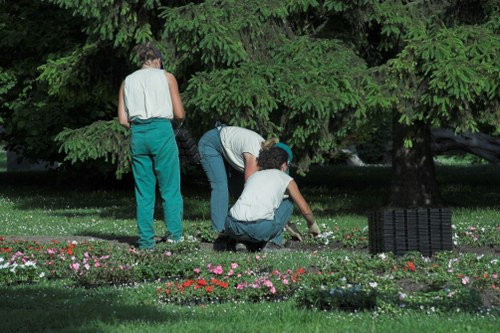
Some outdoor spaces benefit from structural features that create a more usable surface or help define a particular area. Decking is one such option, especially where a level sitting area, a transition between zones, or a neat contrast with planting is useful. It can give the garden a clearer purpose and provide a surface that feels distinct from lawn or border areas. The work needs to be planned carefully so it sits well within the garden rather than overwhelming it.
We can support decking work as part of a wider landscaping plan, particularly where the aim is to improve how the garden is arranged. That may include replacing tired timber, introducing a new area for seating, or creating a more practical edge to the main outdoor space. The benefit of dealing with decking alongside other garden work is that the finished result can be considered as one connected layout rather than a collection of unrelated changes. Decking services are therefore relevant when the garden needs a more structured finish.
Functional features like decking need proper thought about placement, proportions and how the surface will relate to the rest of the garden. A well-placed structure can support daily use and make the space feel more settled, while a poorly considered one can create awkward gaps or maintenance issues. We keep the approach measured and practical, so the final result supports the way the garden is likely to be used. This is particularly helpful where the space must serve more than one purpose at once.
Quotation details and practical planning
When you request a quotation, it helps to describe the condition of the garden and the main tasks you would like completed. Clear information about access, approximate size and any awkward areas allows the work to be planned more accurately. If the garden includes overgrowth, broken structures or different surface types, that context is useful too. The aim is not to make the process complicated, but to match the work to the site so the quotation reflects the job properly.
For many customers, the most useful way to prepare is to think in terms of priorities. Decide whether the immediate need is a tidy, a clear-out, regular upkeep or a more substantial change to the layout. If there are several jobs to do, it is often best to list them in order of importance so the work can be grouped sensibly. Request a quotation when you are ready, and use the service pages to see how different tasks fit together. Pricing and quotes is a helpful reference point when you want to understand how enquiries are handled.
Two or three clear details usually make the process easier: what the garden needs most, whether there are access limits, and whether the work is a one-off or part of ongoing care. That kind of practical information allows the service to be shaped without guesswork. If the project is larger, it can also help to separate immediate clearance from later finishing work, because doing so keeps the plan manageable. Get in touch when you are ready; a well-described job is easier to price and easier to complete neatly.
Local service information
Sydenham is an area in south-east London with a character shaped by transport links, residential streets, green spaces and a long history of suburban development. The district sits on elevated ground in places and is associated with nearby parkland, including parts of the wider green corridor that runs through south-east London. Its built environment mixes Victorian and later housing with local shopping streets, schools and community facilities, giving the area a layered urban feel rather than a single uniform centre. The name is used for both the neighbourhood and the broader district context, so local references often blend the two.
One of Sydenham’s best-known landmarks is Crystal Palace Park, which lies close to the area and remains important in local memory through its association with the Crystal Palace itself, the park’s historic layout and its open recreational spaces. Sydenham Hill is another familiar reference point, while the area’s rail connections have long made it part of the everyday geography of south-east London. The district also sits near the edge of several other neighbourhoods, which gives it a transitional quality between inner London and the more suburban parts of the boroughs around it. Streets, parks and local routes contribute to that mixed identity.
Green space remains a notable part of the local setting, whether through formal parks, smaller neighbourhood planting or the tree-lined character of many residential roads. This creates a setting in which private gardens, front plots and shared outdoor spaces often form an important part of how the area looks and feels. Sydenham’s cultural life is tied to its local high street, everyday amenities and connections to nearby destinations in south-east London, while its housing and transport history continue to shape the way the district is understood today.
Why our garden services are easy to organise

Choosing the right gardening help is easier when the service is broken into clear, sensible options. A customer may only need mowing and hedge trimming, or may need a larger clearance before regular care can begin. Others want to combine several tasks so the garden is dealt with in one planned visit. By keeping the service grouped around what the site actually needs, we make it simpler to move from an untidy or uneven space to one that feels orderly and manageable.
We aim to keep communication direct, especially where the work includes more than one element. If you already know the priority, that helps us focus the quotation on the main outcome; if you are less sure, the service pages give a straightforward overview of the most common options. There is no need to overstate the job. Just describe the garden, the work you want done and any constraints that matter. Services overview can help you compare the main categories before you make a decision.
For customers who want a cleaner finish, better access or a more structured garden layout, our service range provides a clear route from first cut to final tidy. Use the pages above to see how maintenance, clearance, landscaping and larger-growth work fit together, then ask for a quotation when you are ready to proceed. The final step is simple: choose the work that matters most, and we can help shape the rest around it.